


Agathe Or The Forgotten Sister
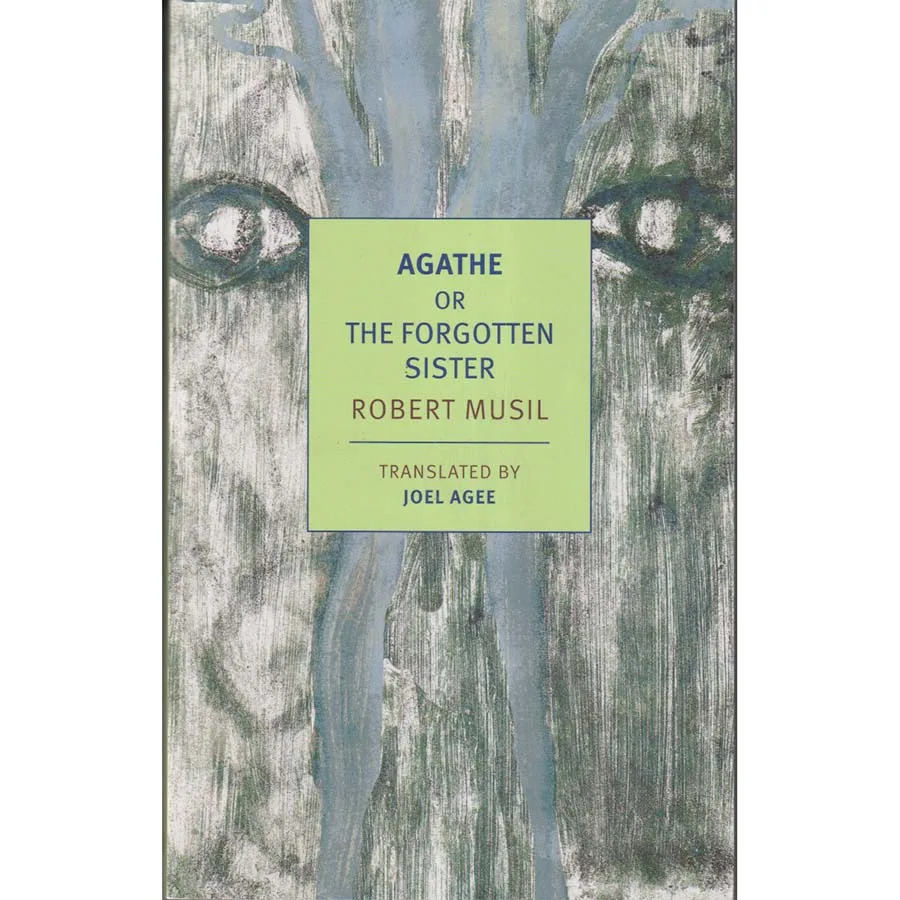
Publisher: New York Review Books
Format: Paperback
ISBN: 9781681373836
Agathe or The Forgotten Sister (2020) by Robert Musil. New York Review Books. ISBN: 9781681373836. Condition: Good.
Some novels are unfinished because the author ran out of time.
Others are unfinished because the author became so determined to write the perfect book that perfection itself kept moving further away.
Robert Musil belongs very firmly in the second category.
If literature awarded Olympic medals for glorious overthinking, Musil would have stood on the podium for weeks.
Agathe or The Forgotten Sister gathers one of the most fascinating literary "what ifs" ever left behind: the later sections and alternative versions of Musil’s monumental, unfinished masterpiece The Man Without Qualities. Published in English by the ever-adventurous New York Review Books in 2020, this volume allows readers to venture into the labyrinth of Musil’s final creative obsession—a place where philosophy, psychology, love, ethics and impossibly ambitious ideas all compete for attention with remarkable elegance.
The title alone hints at what awaits. Agathe, the sister whose arrival transforms the emotional and intellectual landscape of Musil’s great novel, occupies one of the most unusual relationships in twentieth-century literature. Their conversations drift through morality, spirituality, identity and human possibility with such intensity that they sometimes resemble two exceptionally brilliant people accidentally locking themselves in a library and forgetting to emerge for several hundred pages.
Oddly enough, this is meant as praise.
Musil has never been an easy writer, nor did he ever aspire to be. He assumes his readers possess curiosity, patience and a willingness to follow arguments into territory where ordinary novels would long since have stopped for a cup of tea and a reassuring plot twist. Reading him can feel less like consuming fiction and more like joining a remarkably civilised conversation about absolutely everything.
Fortunately, it is a very good conversation.
There is something wonderfully audacious about a writer who refuses to separate ideas from storytelling. Musil’s characters think. Constantly. Sometimes magnificently. Sometimes exasperatingly. Occasionally they seem to think about thinking itself, just in case there was any thinking left over. Yet beneath all this intellectual brilliance lies an unmistakably human search for meaning, intimacy and understanding.
One begins the book expecting philosophy.
One finishes it unexpectedly caring very much about the people.
This edition also offers a fascinating glimpse into literary archaeology. Rather than presenting a neatly polished novel, it allows readers to witness a great writer wrestling with possibilities, revisions and unfinished paths. There is something deeply moving about seeing genius at work without the illusion that genius always arrives fully formed.
Indeed, one of the quiet comforts of reading Musil is discovering that even one of Europe’s greatest novelists occasionally struggled to finish what he started.
The New York Review Books Classics series has earned a deserved reputation for rescuing remarkable works that might otherwise remain hidden from modern readers, and Agathe or The Forgotten Sister is precisely the sort of book they publish so well. Beautifully produced and thoughtfully translated, it invites contemporary readers to explore a literary landscape that feels every bit as daring today as it must have done a century ago.
This copy remains in good condition, making it an excellent acquisition for admirers of European literature, modernism, philosophical fiction or anyone whose bookshelves already contain names like Proust, Mann, Broch or Kafka—and who secretly believes that novels ought occasionally to make the brain work just as hard as the imagination.
From Crappy Old Books—because not every masterpiece arrives neatly tied up with a ribbon. Some are left gloriously incomplete, inviting generations of readers to ponder what might have been. Agathe or The Forgotten Sister belongs firmly in that distinguished company. It is thoughtful without being pompous, intellectually fearless without becoming inaccessible, and ambitious on a scale that modern publishing departments would probably greet with several emergency meetings and a spreadsheet. Musil never quite finished building his literary cathedral, but wandering through the magnificent sections he did complete is rather more rewarding than visiting many buildings that reached the grand opening on schedule.
Keep browsing: See more Fiction books Other books by Robert Musil
